Anchor Hoop

A cross stitch craft designed for SeaCrafts aboard Princess Cruises.

Princess Cruises wanted to expand its SeaCrafts program with a beginner-friendly cross stitch craft kit that guests could complete during a complimentary 60–90 minute class. The experience needed to be inexpensive to manufacture, compact enough for guests to pack in luggage to take home, and simple enough for first-timers to learn a new skill.

Role: Product Designer/Developer, Instructional Copy Writer
Client: Pulsar Products and Princess Cruises
Tools: Adobe Illustrator and Photoshop
Key Skills: Design Research, Prototyping, User Testing, Design Iteration
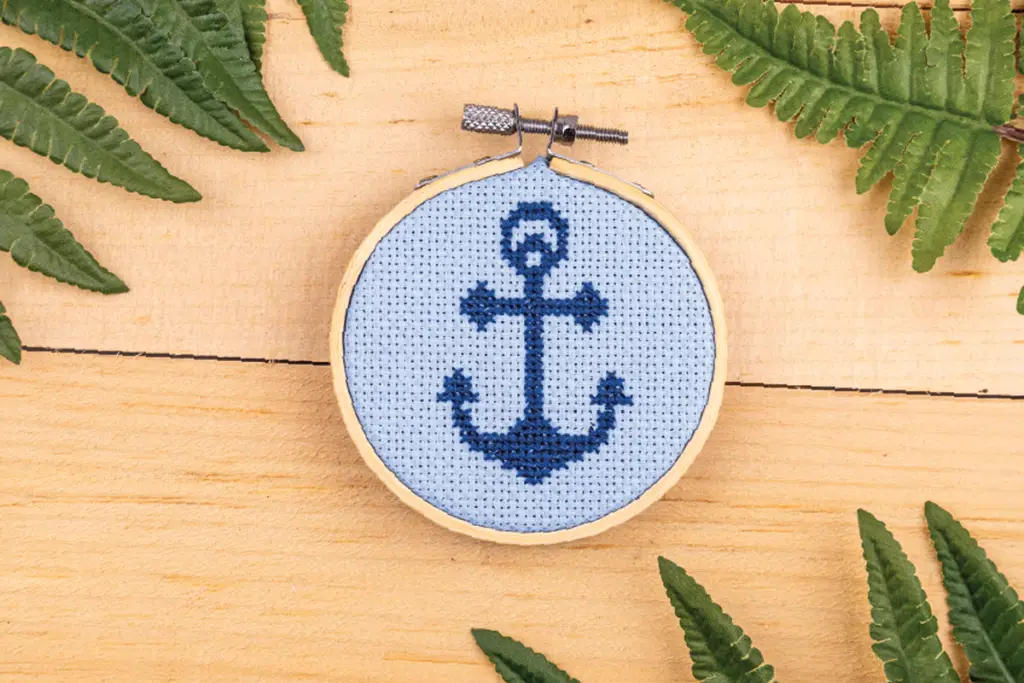
Cross Stitched Anchor in Hoop on a light wood background with decorative green leaves

The Challenge

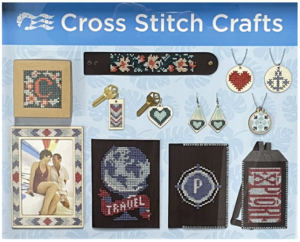
A collection of cross stitch crafts framed under glass
The Cross Stitch SeaCrafts Collection

SeaCrafts is an onboard program that introduces Princess guests to new crafts in an instructor-led class environment. After class, guests can purchase larger, more elaborate craft kits to continue the craft experience on their own on the rest of their voyage.

The challenge was to expand the existing cross stitch line with a simple introductory project that could be completed during a 60–90 minute class. Because the activity was offered complimentary to guests, the kit also needed to be inexpensive to produce and compact enough to easily pack in their luggage for the trip home.

The Design Process

Research
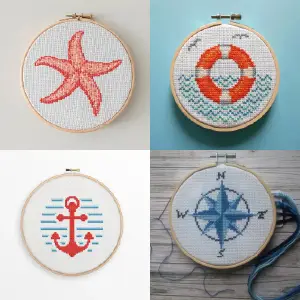
To expand the SeaCrafts product line, I researched simple cross stitch patterns with nautical themes that aligned with the Princess brand. Several concepts were presented to stakeholders, with an anchor and waves design selected for its iconic imagery and beginner-friendly stitch pattern.
Sketches
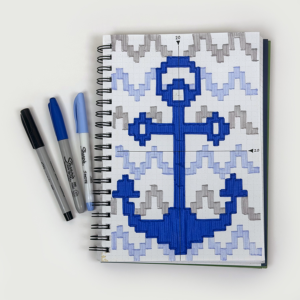
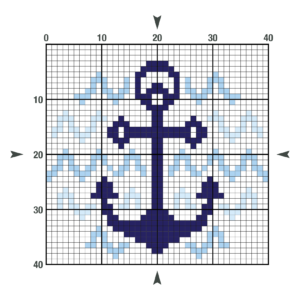
Once the concept was approved, I translated the design onto graph paper, using three shades of blue to create depth while keeping the pattern approachable for new stitchers. The artwork was scaled to fit within a small 3-inch embroidery hoop using 14-count Aida cloth.
Mockups
I developed a complete craft kit mockup that included the cross stitch pattern, step-by-step instructions, and all required materials. This prototype allowed the design to be tested as a complete user experience.
Prototype Testing
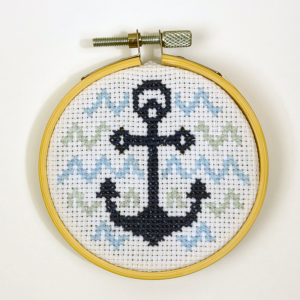
The initial prototype testing revealed an important usability issue. Completing the design required over two hours of stitching, exceeding the target class length of 60–90 minutes. This insight led to the next round of design iteration, where the pattern was simplified to better fit the intended experience.

Cross stitch design references, a star fish, a life ring, an anchor, and a compass rose
Cross Stitch Design References
A graph paper sketch of an anchor design with waves in the background
Graph Paper Sketch
A cross stitch pattern of an anchor with waves in the background
Pattern for Test Instructions
A finished cross stitch hoop of an anchor with waves in the background
First Cross Stitch Prototype

Iteration

Testing revealed that the original design took over two hours to complete, well over the target class time of 60–90 minutes. To reduce completion time, the design was simplified. The wave background was removed and the number of embroidery floss colors was reduced from three to one.

Blue Aida cloth was sourced to create visual interest and perceived value. These changes significantly reduced the time it took to complete the craft, giving cruise guests a better chance of successfully finishing their project during class.

Front of instructions with product shot and final pattern on a light wood background
Front of Instructions
Back of instructions with step by step instructions and illustrations
Back of Instructions

The Final Product

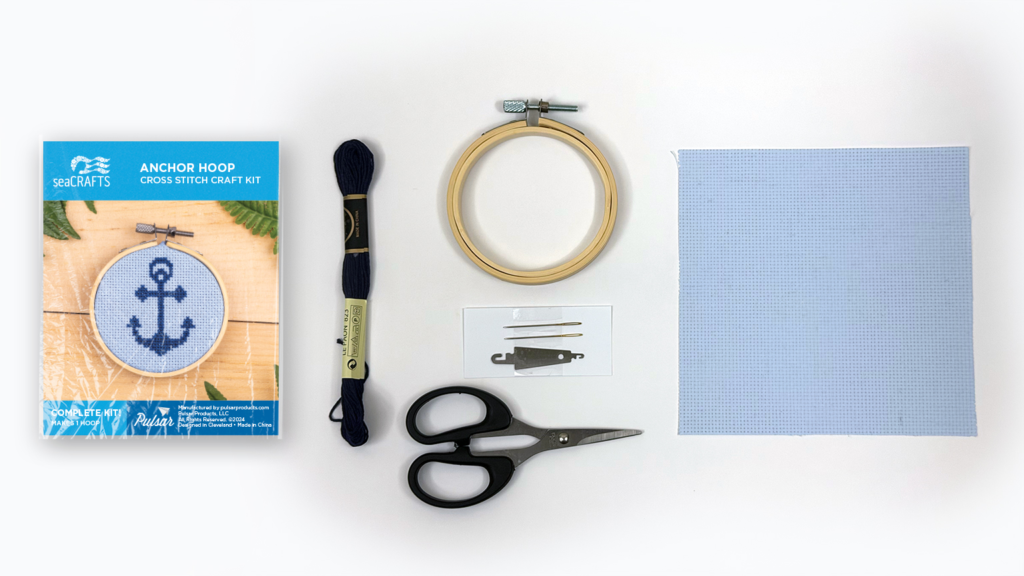
Craft kit packaging and materials laid flat on a white background
Full Craft Kit

Outcome and Takaways

Outcome
• Launched on schedule
• Successfully expanded the SeaCrafts program
• Met cost and production targets
• Improved completion rates through iterative simplification

Takeaways
Designing physical products like this taught me that success can be measured by whether users can confidently achieve their goal within real-world constraints. This mindset continues to guide my approach to product design.

Every system has an inherent amount of complexity that cannot be removed, only shifted between the user and the system.